| Availability: | |
|---|---|
| Quantity: | |
Our did marine projects cover Marine Cyclone Mooring Projects, Dock/Marina Mooring Engineering, and Ship to Ship Transfer Operations Mooring.
Generally, the anchors, mooring lines and connectors make up a mooring system. A mooring line can be chains, fiber ropes, or wire ropes. The mooring system layout depends on the local environmental conditions and the purpose of the offshore unit. Single point mooring systems are commonly adopted, 2-3 catenary anchor legs to a central riser chain to mooring buoys. Each leg consists of a drag embedment anchor, anchor chain, mooring ropes and all relative connection hardware. Round ring is commonly used as central connection of each legs connected by shackles.
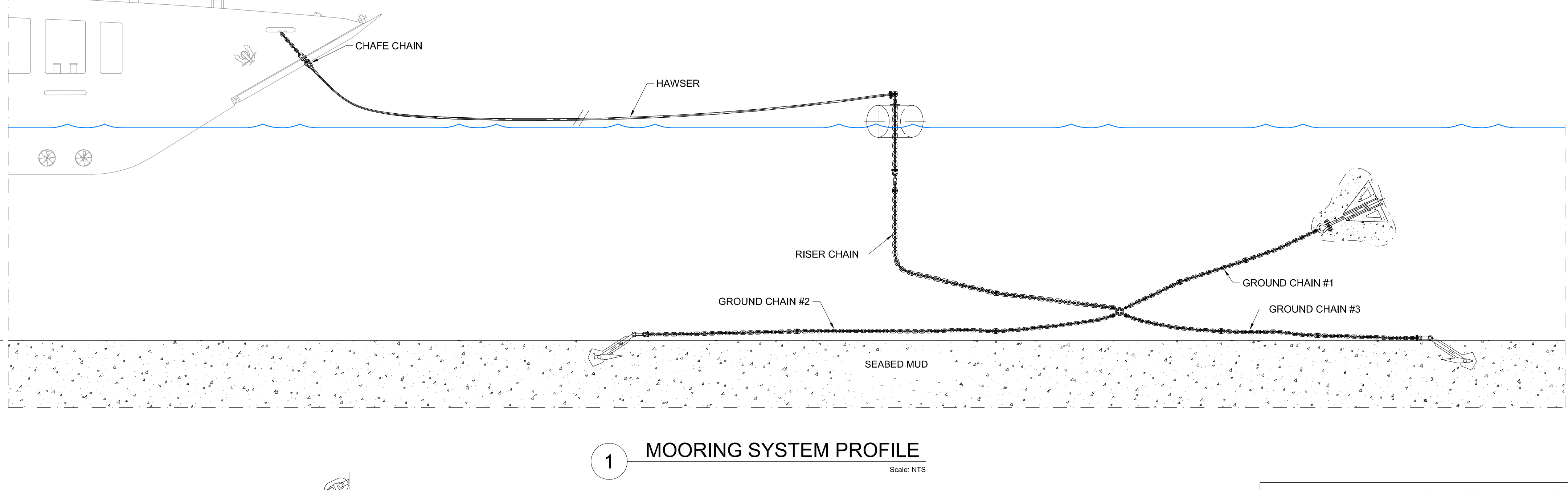
The typical Mooring System consists of:
1. Anchor Legs, 2-3 Catenary Legs. The anchor legs consists of Anchor, Chain, Ropes and Connnection shackles.
Drag Embedment Anchor provides the ultimate holding capacity in the seabed. Delta HHP Anchor, MK5 Anchor and Stingray anchors are commonly used since they are high holding power anchors with good penetration performance. The holding capacity is more than 40 times of its weight.
2. Ground Mooring Line: Anchor chain lays on the seabed provides a strong and economical solution for many mooring and marine applications. In many cases, chain is coupled with fibre rope, sections of chain on a mooring line provide weight and wear resistance where it is most needed, while fibre sections keep weight down and improve the manageability of the system. Rope aresteel thimble spliced at both ends for easy connecting with shackles, and also protect the ropes from abrasion.
3. Floating Buoys: EPS foamed PE buoys are widely used in marine or aquaculture mooring system as the surface central connection points, since it is light weight and economic cost.
4. Central Mooring Connection Plate: 8 eyes connection plate or 12 eyes connection plate is commonly used. Each anchor mooring lines, grid lines or frame lines are connected to this connection plate via shackles, ensuring equal load distribution, and also there has a welded eyes to be connected with the buoy lines.
1. Anchor selection to be finalised once geotechnical information is known.
2. The design of the mooring system assumes that the anchors are properly set in the seabed.
3. Where the hawser is connected to vesse, bollards and deck to have sufficient strength to maintain loads.
4. All shackles shall be fitted with safety pins.
Our did marine projects cover Marine Cyclone Mooring Projects, Dock/Marina Mooring Engineering, and Ship to Ship Transfer Operations Mooring.
Generally, the anchors, mooring lines and connectors make up a mooring system. A mooring line can be chains, fiber ropes, or wire ropes. The mooring system layout depends on the local environmental conditions and the purpose of the offshore unit. Single point mooring systems are commonly adopted, 2-3 catenary anchor legs to a central riser chain to mooring buoys. Each leg consists of a drag embedment anchor, anchor chain, mooring ropes and all relative connection hardware. Round ring is commonly used as central connection of each legs connected by shackles.
The typical Mooring System consists of:
1. Anchor Legs, 2-3 Catenary Legs. The anchor legs consists of Anchor, Chain, Ropes and Connnection shackles.
Drag Embedment Anchor provides the ultimate holding capacity in the seabed. Delta HHP Anchor, MK5 Anchor and Stingray anchors are commonly used since they are high holding power anchors with good penetration performance. The holding capacity is more than 40 times of its weight.
2. Ground Mooring Line: Anchor chain lays on the seabed provides a strong and economical solution for many mooring and marine applications. In many cases, chain is coupled with fibre rope, sections of chain on a mooring line provide weight and wear resistance where it is most needed, while fibre sections keep weight down and improve the manageability of the system. Rope aresteel thimble spliced at both ends for easy connecting with shackles, and also protect the ropes from abrasion.
3. Floating Buoys: EPS foamed PE buoys are widely used in marine or aquaculture mooring system as the surface central connection points, since it is light weight and economic cost.
4. Central Mooring Connection Plate: 8 eyes connection plate or 12 eyes connection plate is commonly used. Each anchor mooring lines, grid lines or frame lines are connected to this connection plate via shackles, ensuring equal load distribution, and also there has a welded eyes to be connected with the buoy lines.
1. Anchor selection to be finalised once geotechnical information is known.
2. The design of the mooring system assumes that the anchors are properly set in the seabed.
3. Where the hawser is connected to vesse, bollards and deck to have sufficient strength to maintain loads.
4. All shackles shall be fitted with safety pins.
Waysail specializes in sustainable and environmentally marine and aquaculture solutions, based on many years of experience in the supply and installation of all types of mooring systems, from aquaculture farms to single boat moorings.
